
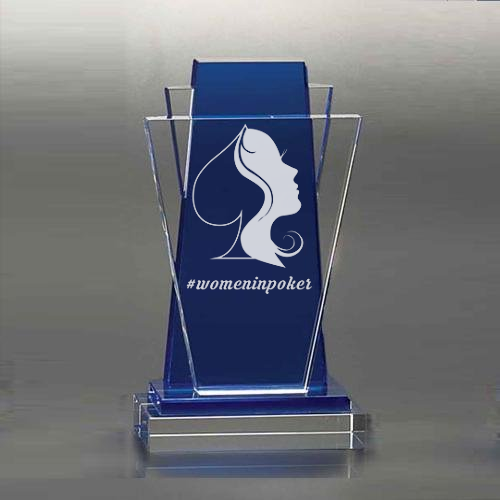
Poker, known for its high stakes and intense strategy, has always been seen through a male lens. Historically, it’s been a man’s game, both in perception and actual participation. But that’s finally changing. We’re seeing women step up to the poker table, challenging stereotypes and making their mark in a space that’s been male-dominated for decades.
The gender gap in professional poker isn’t just noticeable; it’s significant. A look at the numbers shows a stark contrast between male and female participants in major tournaments. This disparity isn’t just about numbers but is also a reflection of the societal and cultural hurdles that women have faced when entering this world. From stereotype-driven barriers to a lack of representation on screen and in advertising, women have had to push past many obstacles to stand shoulder-to-shoulder with their male counterparts.
Why does this matter? Diversity in any field fosters creativity and growth. In poker, having women visible at the highest levels isn’t just good for the game; it revamps strategies, brings fresh perspectives, and encourages a broader audience to engage. It also changes how poker is marketed, consumed, and perceived by society at large.
Breaking these age-old barriers isn’t just about individual wins. It’s about opening doors for the next generation. It’s about young girls watching games on TV or online and thinking, ‘Hey, that could be me.’ It’s about broadening the appeal of poker beyond the conventional image tailored primarily for men, creating a more inclusive, welcoming environment.
To really crack the gender disparity, conversations about gender equality need to be front and center. These are crucial not only to challenge existing norms but also to inspire change. Whether it’s grassroots movements aiming to increase female participation or big-name tournaments actively promoting diversity, every step helps solidify the idea that poker is for everyone.
Trailblazers: The Faces Leading Change
In the journey to redefine the landscape of poker, several women have emerged as true pioneers. These trailblazers are not just participating; they’re dominating, and in doing so, they’re reshaping the future of the game. They’ve beaten the odds by not only winning significant tournaments but also by rewriting the strategies often believed to be poker gospel.
Today’s top female poker players aren’t just known for their skill but also for challenging how the game is traditionally played. Their strategic prowess and fearless demeanor have set new standards, making even seasoned male players re-evaluate their tactics. These women are translating their unique perspectives into compelling gameplay that fascinates fans and players alike.
Each of these players brings something different to the table—literally and figuratively. They’re not only about winning but about inspiring. Their presence commands attention, encouraging young women everywhere to pick up a deck and test their mettle. Young poker enthusiasts now have icons they can identify with and aspire to emulate. It’s not just about playing a game; it’s about changing the narrative.
In a world where poker’s traditional image is shifting, these trailblazers are at the front lines, leading the charge. Their stories and successes are vivid proof that skill knows no gender and that the future of poker looks promisingly inclusive because of them. They’re living testaments to the idea that any limits are self-imposed. As they continue to break records and set new milestones, it’s clear they aren’t just players—they’re leaders driving transformation in the poker world.
Top 5 Women in Poker Today
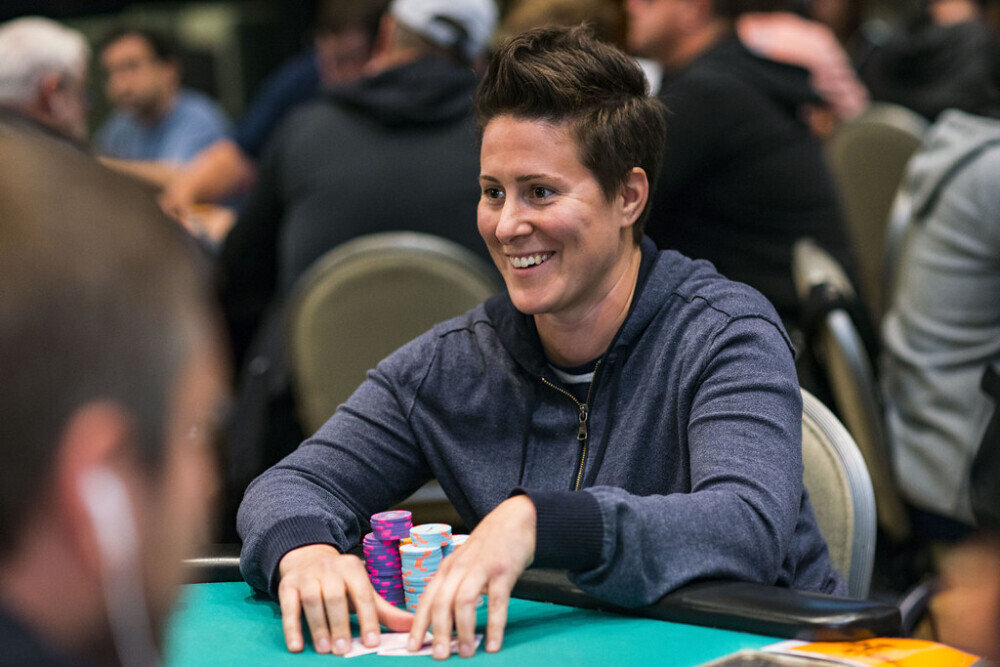
Vanessa Selbst isn’t just a name in poker; she’s a legend. With three World Series of Poker (WSOP) bracelets and over $11 million in live earnings, Vanessa’s accomplishments are awe-inspiring. Known for her aggressive style and sharp intellect, she was the first female to top the Global Poker Index. Vanessa embodies what it means to shatter glass ceilings, reminding us all that incredible success in poker isn’t confined by gender.

Kristen Foxen isn’t just making waves in poker—she’s setting new standards. A multiple-time Global Poker Index Female Player of the Year, Kristen has racked up millions in tournament earnings with a playing style that blends discipline, instinct, and fearless aggression. As the first woman to win GPI’s top female honor three times, she’s proven herself not just among the best women in poker, but among the best, period. Kristen’s presence at the table is calm, calculated, and commanding—a reminder that the future of poker is bright, bold, and brilliantly female.

Liv Boeree, often called “Iron Maiden,” blends her background in astrophysics with her poker skills, creating a formidable presence at the table. With a major EPT title and a WSOP bracelet under her belt, Liv combines mathematical precision with psychological insight. Off the table, she’s an advocate for science communication, showing that one can have a multifaceted career and influence beyond the green felt.
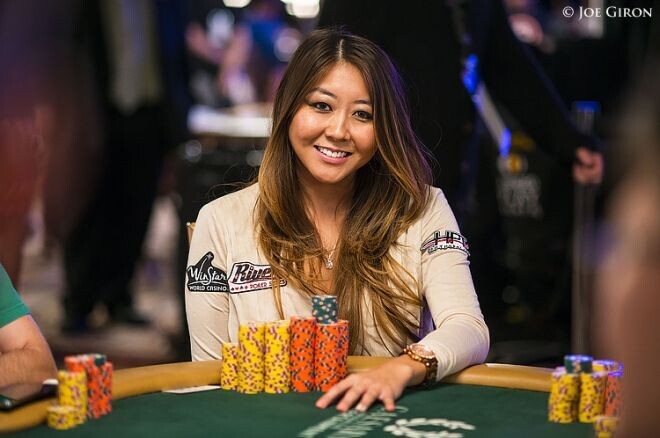
Maria Ho represents versatility in the poker scene, not only as a player but as a popular commentator and host. Her strategic gameplay has landed her numerous titles and over $4 million in live tournament earnings. Maria’s insight and vibrant personality make her a beloved ambassador for poker, expanding her influence to television screens worldwide, where she continues to inspire many.
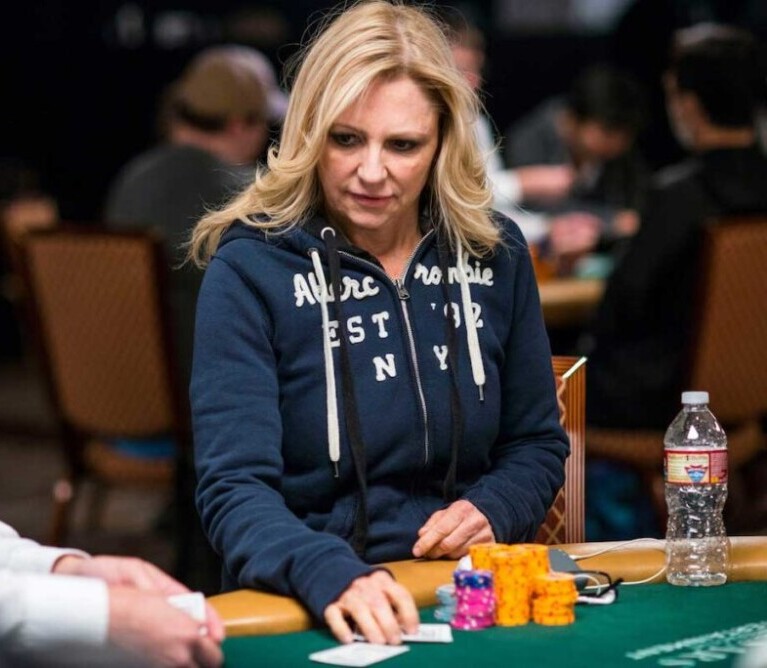
Jennifer Harman is a real veteran of the poker world. With two WSOP bracelets and a solid presence in high-stakes cash games, she’s a consistent performer with decades of experience. Jennifer has been part of ‘The Corporation,’ a group of poker pros who took on billionaire banker Andy Beal. Her influence runs deep, as she paved the way for many women in poker and continues to impact the game positively.
Women’s Poker Organizations and Initiatives
 Women in poker aren’t just thriving on individual merit—we’ve got major forces working behind the scenes too. Various organizations are committed to not just getting women into the game, but ensuring they make their mark. These groups are leveling the playing field, and their presence is crucial for maintaining the upward trend of female participation.
Initiatives like the Women’s Poker Association (WPA) have been pivotal. They’re tackling stereotypes head-on by creating environments where women feel welcome and empowered to compete. The WPA offers a platform for female networking opportunities, creating a community that shares knowledge, resources, and encouragement.
Other initiatives focus on offering training sessions, workshops, and mentorships. These programs are designed to help female players sharpen their skills and gain confidence. It’s about building the nerve and strategic acumen to stand up and be counted at major tables.
Success stories from these programs highlight their impact. Many women have found their stride, winning significant tournaments and making headlines. These initiatives prove that with the right support, any challenge can be met with competence and courage.
And let’s not forget the role of social media and online communities. They play an invaluable part in building support networks, allowing women to share experiences and tips. These platforms form a sense of camaraderie, ensuring that women never feel isolated in their journey through the poker world.
Envisioning the Future: What Lies Ahead for Women in Poker
With more women breaking into the poker world, the future looks brighter and more inclusive. As barriers continue to fall, we can expect a greater impact on the poker industry overall. More female voices mean more diverse strategies, leading to a richer tapestry of gameplay. As women earn more seats at the table, the game’s traditional power balance will shift, paving the way for exciting new dynamics.
The increasing participation of women will likely make poker more appealing to a broader audience, drawing in players who previously might not have considered the game. This is crucial for the continuous growth of poker as a popular and engaging pastime. As more women become visible in poker, they bring along fresh perspectives that can attract sponsors, boost media coverage, and inspire newcomers.
Mentorship and community-building will play essential roles in this evolution. Women supporting women, sharing advice and experiences, will help foster a poker ecosystem where everyone thrives. When experienced players take on mentorship roles, they enable emerging talent to grow confidently and skillfully.
Policy changes are also a vital part of the conversation regarding inclusivity. Poker organizations can lead the charge by implementing measures that support diversity. From providing equitable prize pools to hosting women-focused tournaments, there’s a world of opportunities to ensure everyone has a fair shot.
Ultimately, the path forward is all about creating an environment where skill and strategy outshine traditional biases. As more women rise through the ranks, they’re not just winning games—they’re changing the game itself for future generations. Their journey is a testament to what resilience, community, and unwavering determination can achieve.
This article is a powerful spotlight on the transformative impact women are having in poker. Trailblazers like Vanessa Selbst and Kristen Foxen are not only breaking records but also reshaping perceptions in a traditionally male-dominated arena. Their achievements inspire a new generation of players and underscore the importance of inclusivity in the game. As more women take their seats at the table, poker evolves into a richer, more diverse sport. Thank you for highlighting these influential figures and their contributions! Debra
It’s inspiring to see how more women are stepping into the spotlight in poker, but I’m curious what factors do you think are still the biggest barriers to consistent female representation at the highest levels? Is it mostly cultural, or does access to training and competitive networks play a bigger role? Also, how do you see online poker contributing to leveling the playing field? It seems like digital platforms might help mitigate some of the bias or pressure found in live environments.